







Search Results for: Malabar Coast
Indian Monsooned Malabar Coffee Bean Flavor Analysis: A Complete Guide to Monsoon Processing and Pour-Over Parameters
Indian coffee has gained fame in the specialty coffee world not through traditional fruity acidity and floral notes, but by taking a unique path with its distinctive "cured" flavor, among which Monsooned Malabar is particularly well known. This coffee originated during the age of sailing ship transport in the 17th and 18th centuries, when green beans absorbed sea moisture and salt in the lower holds of ships, unexpectedly transforming into a special flavor profile that was yellowish-brown and almost completely lacking in acidity. After the opening of the Suez Canal shortened the voyage, Indian exporters, in order to recreate the old flavor, used the salty, humid monsoon winds along the Malabar Coast from May to September and processed the beans for several months in monsoon warehouses, causing the green beans to swell and change color while developing a rich nutty, grainy tone and an aroma and mouthfeel reminiscent of genmaicha. During cupping, Front Street Coffee found that this bean carried caramel, raisin, and herbal notes along with a berry finish. This article will provide a complete analysis of its producing region background, processing method, cultivated varieties, roasting curve, and brewing parameters, offering coffee lovers a detailed reference guide. [more…]
What Is Indian Monsooned Coffee (Monsooned Malabar)? A Full Analysis of Its Region, Varieties, Processing Method, and Brewing Flavor
When it comes to Asian coffee, most people first think of Indonesian Mandheling, but India also has a bean full of mystery—monsooned coffee, also called monsoon coffee or Malabar coffee. Its flavor does not come from artificial fermentation or sun-drying; instead, it relies on the hot, humid southwest monsoon winds of the Indian Ocean to make green beans swell and change color over weeks to months, reducing acidity and developing a unique profile reminiscent of nuts, grains, and genmaicha. Front Street Coffee will guide you through its origins, the Malabar region, its ports, the monsooning process, the characteristics of varieties such as Kents/S795/Catimor, and include roasting curves plus brewing comparisons using siphon, AeroPress, French press, and Kalita dripper, so you can understand this Indian curiosity—a bean that “depends on the heavens”—in one article. [more…]

India Malabar Monsooned Coffee's Monsooning Process: A Complete Analysis from Sailing Ship Transport to Monsoon Replication
India is famous worldwide for its curry, but Monsoon Coffee is equally a presence that cannot be overlooked. This coffee, with its distinctive grain and spice flavors, originated as an accidental gift from the era of sailing ship transport in the seventeenth century, then nearly disappeared in the nineteenth century when steamships replaced sailing ships, and was ultimately revived through the monsoon baptism of the Malabar Coast. This article will guide you through the background of Monsoon Coffee's origins, the specific operational process of the Monsoon Process, and every detail from storage in monsoon warehouses, regular turning, bagging control, to smoke-driven pest control and graded sale. [more…]
Exploring India's Coffee Origins: A Full Analysis of Cultivated Varieties from Robusta to Monsooned Malabar
India is an important gateway for coffee's introduction to Asia. It not only produces high-yielding Robusta but also gives rise to the uniquely flavored Monsooned coffee, with its output consistently ranking among the top in the world. In this article, Front Street will take you on an in-depth look at India's geography and climate, the distribution characteristics of its four major coffee states, and the main coffee varieties grown locally. From Tamil Nadu to Kerala, from Kent to S795, we will sort through India's coffee-growing code one by one, and analyze why Robusta dominates here, as well as how farmers boost their income by intercropping spice trees. [more…]
The Origin of Indonesian Aged Mandheling and an Analysis of Its Differences from Indian Monsooned Beans
Indonesian aged Mandheling and Indian monsoon Malabar both belong to the category of coffees that acquire a unique flavor unexpectedly due to changes in time and transportation conditions, but their processing logic and final presentation are entirely different. Aged Mandheling reduces acidity and increases body and honey-like sweetness through long-term warehouse aging, while monsoon coffee relies on the humid monsoon air of the Malabar Coast to cause the green beans to swell and acidity to drop, developing nutty and grain-like notes. Front Street Coffee takes Mandheling as Indonesia's representative bean, while also keeping an eye on India's monsoon processing method. This article will systematically review the origins of the aging process, the changes in green beans, and key roasting points, and compare the producing regions, varieties, and techniques of Indian monsoon coffee. [more…]
An Analysis of Indian Coffee Flavor Characteristics: A Comprehensive Overview of Five Major Varieties and the Monsoon Processing Method
India, as the first country in Asia to cultivate coffee, has a coffee industry with a unique historical trajectory and flavor profile. From Baba Budan bringing seven coffee seeds back to his homeland in the 17th century to India now being the world's fifth-largest coffee producer, Indian coffee has always been known for its full body and herbal notes. This article will guide you through India's coffee-growing environment and the distribution of its main producing regions, provide a detailed analysis of the characteristics of five major varieties—Kent, S795, S274, Sln C×R, and Catimor—and take an in-depth look at the renowned Monsooned Malabar, the golden, acid-free coffee that was accidentally born from maritime trade, as well as Front Street Coffee's professional recommendations for roasting and brewing it. [more…]

An Analysis of the Monsoon Malabar Coffee Bean Process: Processing Flow, Flavor Characteristics, and Roasting & Brewing Guide
Monsoon coffee is a unique monsooned coffee from southern India, born from the historical accident of sailing ships transporting beans in the 17th and 18th centuries. The green coffee beans were exposed to the southwest monsoon winds for months in open warehouses, expanding in size and decreasing in acidity, developing a distinctive flavor reminiscent of nuts, grains, and genmaicha tea. Front Street Coffee's cupping has found that coffee beans from Asian origins are generally known for their full body, and this monsoon bean stands out with a prominent herbal note on the palate and an excellent full body. This article will comprehensively trace the origin story of monsoon coffee, its five-step processing method, and the physical changes in the green beans, along with Front Street Coffee's roasting curve and brewing parameter recommendations, to give you a complete understanding of this golden, acid-free coffee from origin to cup. [more…]
A Comprehensive Guide to Specialty Robusta Coffee Beans: From Variety Origins and Flavor Characteristics to Major Producing Regions and Brewing Suggestions
Robusta is often overlooked in the world of specialty coffee, but is it truly destined to have no place among good coffee? This article will take you through a comprehensive look at Robusta's varietal origins, botanical characteristics, flavor profile, and major producing countries. From Vietnam's commercial blends to the unique terroir of Indonesia's Mandheling, Robusta genes play an irreplaceable role. The article also specifically shares Front Street Coffee's practical brewing parameters and freshness recommendations for Mandheling, helping you understand varietal differences while also brewing a rich, full-bodied cup of good coffee. [more…]
Flavor Analysis of the World's Three Major Coffee Regions: Asian Coffee Origins and a Detailed Guide to Processing Methods for Indonesian and Yunnan Beans
The world's coffee-growing belt is usually divided into three major regions: Latin America, Africa, and Asia. Front Street Coffee has previously introduced you to Africa's bright acidity and Latin America's balanced chocolate notes. This article focuses on the Asian producing regions, examining one by one the coffee characteristics of Indonesia, Yunnan in China, Vietnam, India, and Papua New Guinea. Asian beans as a whole are known for their rich, sweet body. Indonesia's wet-hulling and aged processing, Yunnan's Catimor and Typica small-bean varieties, India's monsoon malabar process, and Papua New Guinea's "Little Blue Mountain" Typica are all typical examples worth savoring in detail. The article also includes brewing parameters and flavor descriptions for several of Front Street's representative Asian beans, for the reference of coffee enthusiasts. [more…]
Exploring Asia's Three Major Coffee-Producing Countries: Bean Flavors and Human Stories from Indonesia, India, and Vietnam
The Asian coffee-producing regions occupy a unique position in the global coffee landscape, known for their rich, full-bodied flavor profiles. Front Street Coffee has always been dedicated to tasting coffee beans from around the world, comparing different varieties, origins, and processing methods, and building a visual flavor database to help coffee enthusiasts gain a deeper understanding of the coffee world. This article focuses on Asia's three major coffee-producing countries—Indonesia, India, and Vietnam—outlining their respective coffee development histories, growing environments, variety characteristics, processing techniques, and signature flavors. From Indonesia's Mandheling, Java, and Sulawesi, to India's Monsooned Malabar and Robusta Kaapi Royale, and then to Vietnam's distinctive drip coffee with condensed milk, egg coffee, and yogurt coffee, we present one by one the diverse facets and cultural richness of Asian coffee. [more…]
A Comprehensive Analysis of the Flavor Differences and Processing Methods of the Three Major Asian Coffee-Producing Countries: Indonesia, India, and Vietnam
The Asian coffee regions are renowned worldwide for their rich, full-bodied flavor profiles. Indonesia, India, and Vietnam, as the three core producing countries, each cultivate distinctly different coffee styles. Indonesia's wet-hulling method and unique terroir create the intense, herbal character of Mandheling; India, with its monsooned Malabar process, wrote a legend of the Age of Discovery; Vietnam developed a unique street culture with its drip coffee and condensed milk. Front Street Coffee takes you through the variety origins, processing methods, and flavor characteristics of these three countries one by one, with complete brewing parameter references included. [more…]
Flavor Analysis of the World's Top Ten Coffee-Producing Countries: From Brazil to Guatemala, a Full Comparison of the Taste Differences Between Mandheling and Blue Mountain
As an agricultural product, coffee's flavor is deeply influenced by the terroir of its origin. The soil, altitude, and climate conditions of different countries give coffee beans vastly different aromas and tastes. This article systematically reviews the flavor characteristics of the world's top ten coffee-producing countries, covering Brazil, Vietnam, Colombia, Indonesia, Ethiopia, India, Honduras, Kenya, Mexico, and Guatemala, and focuses on analyzing the core differences in taste and flavor between Mandheling and Blue Mountain coffee beans. At the same time, the article retains the detailed parameters and brewing flavor descriptions of several representative coffee beans under the Front Street brand, providing coffee lovers with a regional guide that is both informative and practical. [more…]
A Comprehensive Analysis of the Flavor Differences and Identification Methods of the Three Major Coffee Varieties: Arabica, Robusta, and Liberica
There are three main native varieties in the coffee world: Arabica, Robusta, and Liberica. Arabica dominates the specialty coffee mainstream with its elegant flavors, Robusta is known for its high caffeine content and full-bodied taste, while Liberica has scarce production and a unique flavor. Front Street Coffee has been involved in coffee cultivation since entering the industry and owns its own plantations. Currently, its sales are mainly Arabica, with Robusta used only for espresso blends. This article will systematically sort out the characteristics of the three major varieties and provide an in-depth introduction to many sub-varieties such as Typica, Bourbon, Geisha, Caturra, and Catimor, as well as their flavor performance, helping coffee lovers fully understand the mysteries and identification techniques of coffee bean varieties. [more…]
A Complete Flavor Analysis of the Asia-Pacific Coffee Producing Regions: Indonesian Mandheling, Yunnan Small-Bean, and Papua New Guinea Bird of Paradise
Among the world's three major coffee-growing belts, the Asia-Pacific region stands out with its rich, mellow mouthfeel. Compared with the bright fruity acidity of Africa and the chocolate-nutty notes of Latin America, Asian coffee is known for its heavy sweetness and is often used as a base bean in espresso blends. This article will examine the coffee characteristics of major producing countries one by one, including Indonesia, Yunnan in China, Vietnam, India, and Papua New Guinea, covering varieties, processing methods, and brewing suggestions. Among them, products such as Front Street Coffee Indonesia Sumatra Mandheling, Front Street Coffee Yunnan Baoshan small-bean, and Front Street Coffee Papua New Guinea Bird of Paradise are all typical examples for understanding Asian coffee styles. Whether you are a pour-over enthusiast or an espresso player, the flavor logic of these regions is worth exploring in depth. [more…]
Analysis of Fine Coffee Bean Varieties of Yunnan Small-Bean Coffee: Cultivation Differences Between Typica and Catimor and the Flavor of Front Street 2013
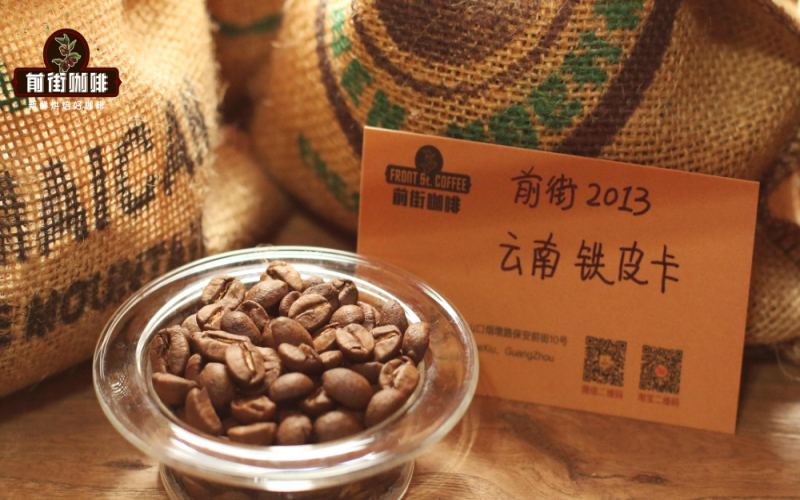
Yunnan, as China's most suitable coffee-producing region, has seen its Arabica varieties evolve from Typica to Catimor. Front Street Coffee started with trial planting in Dazhen, Guangdong, and eventually settled in Lincang, Yunnan, crafting [Front Street 2013] from Typica beans. This article will guide you through the background of coffee cultivation in Yunnan, the intervarietal differences between Typica and Catimor, and the seven-year journey of this sun-dried Typica from seed to cup. We will also explore the origin of the term "Yunnan Arabica" and its taste characteristics, and share the standard V60 brewing parameters used in our stores, so you can experience the layered notes of black tea and nutty tones at home. [more…]
Analysis of Yunnan Arabica Coffee Flavor and Mouthfeel: The Brand Journey of Front Street Coffee's Yunnan Typica
Front Street Coffee has a deep connection with Yunnan coffee. From failed trial plantings in Guangdong to putting down roots in Lincang, Yunnan, it ultimately spent seven years refining the Typica coffee beans known as [Front Street 2013]. This article will guide you through the flavor characteristics and tasting notes of Yunnan small-bean coffee, trace the planting story of the Front Street brand in the Yunnan production region, and compare the differences between the Typica and Catimor varieties. At the same time, we will also introduce the four major coffee production regions of Yunnan, explain the origin of the name "Yunnan small-bean coffee," and cover the complete parameters and methods for brewing [Front Street 2013] at Front Street stores. [more…]
What is the connection between Typica and Arabica? A detailed look at Typica's variety characteristics, spread history, and flavor differences across origins
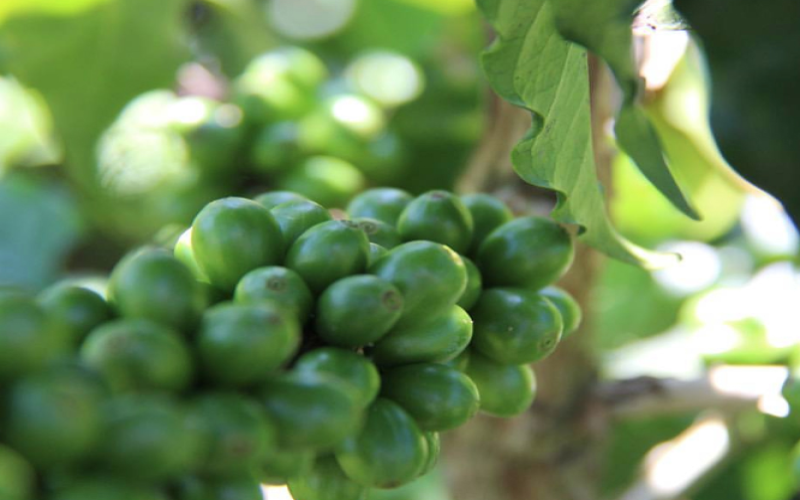
Typica is the most representative ancient variety among Arabica coffees and is widely recognized as the prototype of all Arabica varieties. This article will clarify the subordinate relationship between Typica and Arabica, introduce the botanical characteristics of the Typica coffee tree, its historical dissemination routes, and the flavor expressions from different origins (Jamaica Blue Mountain, Papua New Guinea Bird of Paradise, Yunnan Typica, etc.). It will also share Front Street Coffee's roasting approach and pour-over extraction parameters for Typica, helping coffee enthusiasts gain a more comprehensive understanding of the unique charm of this classic variety. [more…]
A Complete Analysis of the Typica Coffee Variety: From Origin and Spread to Flavor Characteristics and Pour-Over Parameters
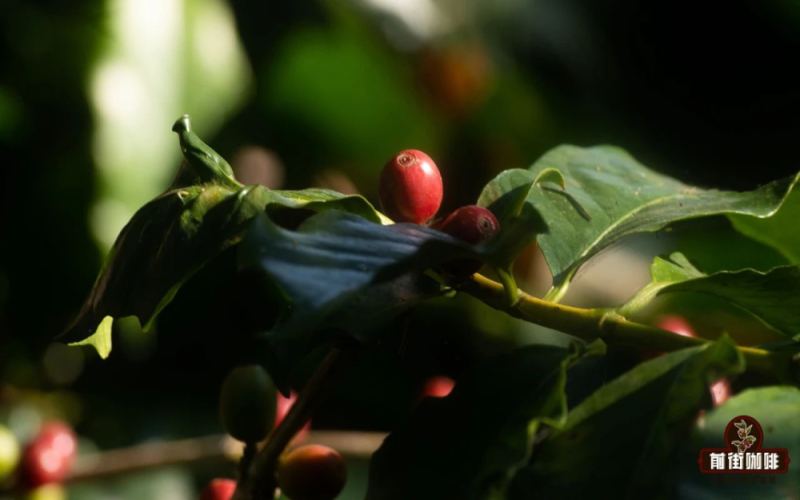
Typica is widely recognized as the prototype of all Arabica coffee varieties and is an essential part of coffee variety knowledge. It originated in southwestern Ethiopia, the birthplace of Arabica coffee, and spread with seeds throughout Yemen, India, Java, and Dutch botanical gardens, eventually reaching South and Central America. The young leaves at the top of the Typica coffee tree are bronze-red, earning it the nickname "red-topped coffee," but it has poor disease resistance and low yield, making it difficult to cultivate. This article will explore Typica's botanical characteristics, its spread history, flavor profiles in different producing regions, and the pour-over extraction parameters used by Front Street Coffee for Typica grown in Lincang, Yunnan, to give you a comprehensive understanding of this ancient and elegant coffee variety. [more…]

Mandehling Coffee Bean Variety Analysis: A Complete Guide to Golden Mandehling Pour-Over Parameters and Flavor Characteristics
There are many types of Mandheling coffee, and different names differ in bean variety, production region, and processing method. On Front Street Coffee's bean list, there are currently five Mandheling coffees, among which PWN Golden Mandheling uses the Ateng variety, while the other four are Typica. This article sorts out the core knowledge of Mandheling coffee one by one, from the origins of the variety, the PWN certification system, and the characteristics of the Aceh production region to the wet-hulling process, and also includes Front Street's standard pour-over recipe for Mandheling, including key parameters such as the Kono dripper, 88°C water temperature, and a 1:15 coffee-to-water ratio, helping coffee enthusiasts fully understand the flavor logic and brewing points of this classic Indonesian coffee. [more…]
An In-Depth Look at Typica Coffee Beans: Traits, Spread, and Flavor Profile of Arabica's Original Variety
Typica is the most representative native variety of Arabica coffee and is widely recognized as the prototype of all Arabica mutations. Its history can be traced back to the coffee birthplace in southwestern Ethiopia, and it later spread gradually around the world via Yemen, India, Java, the Netherlands, and South America. The Typica coffee tree is characterized by bronze-colored young leaves, a tall and slender shape, and beans that are somewhat long, pointed, and curved. In terms of flavor, it often has citric acidity and clean sweetness, but it has extremely poor disease resistance, low yields, and high cultivation costs. This article will systematically review Typica's botanical characteristics, spread routes, and flavor differences among producing regions, and, in combination with Front Street Coffee's available bean selections from Papua New Guinea, Jamaica, Tanzania, and Lincang, Yunnan, share roasting and pour-over extraction ideas. [more…]